Indian Desserts
Key Takeaways
- Indian desserts are diverse and flavorful, with a range of ingredients and preparation methods.
- Popular desserts include gulab jamun, kheer, and barfi, each with unique flavors and textures.
- Many desserts are made from dairy products, nuts, and aromatic spices.
- These sweet treats are often served during festivals and special occasions.
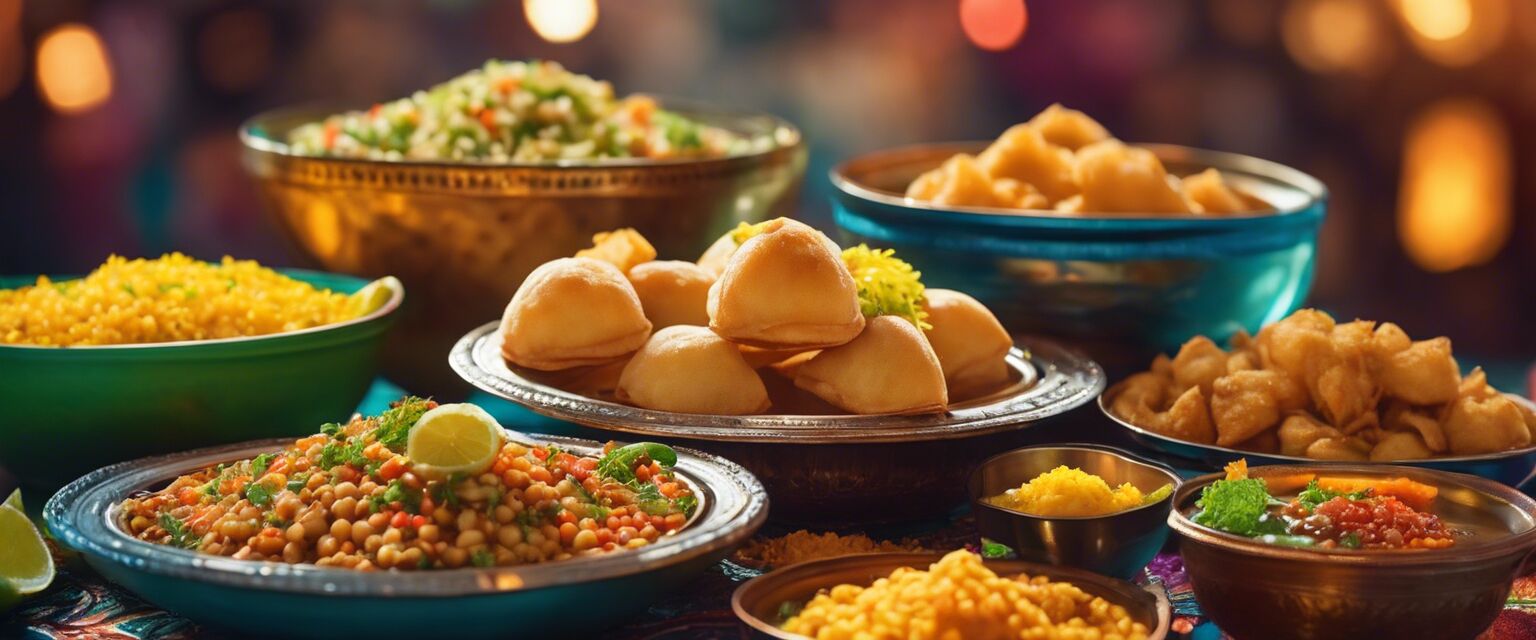
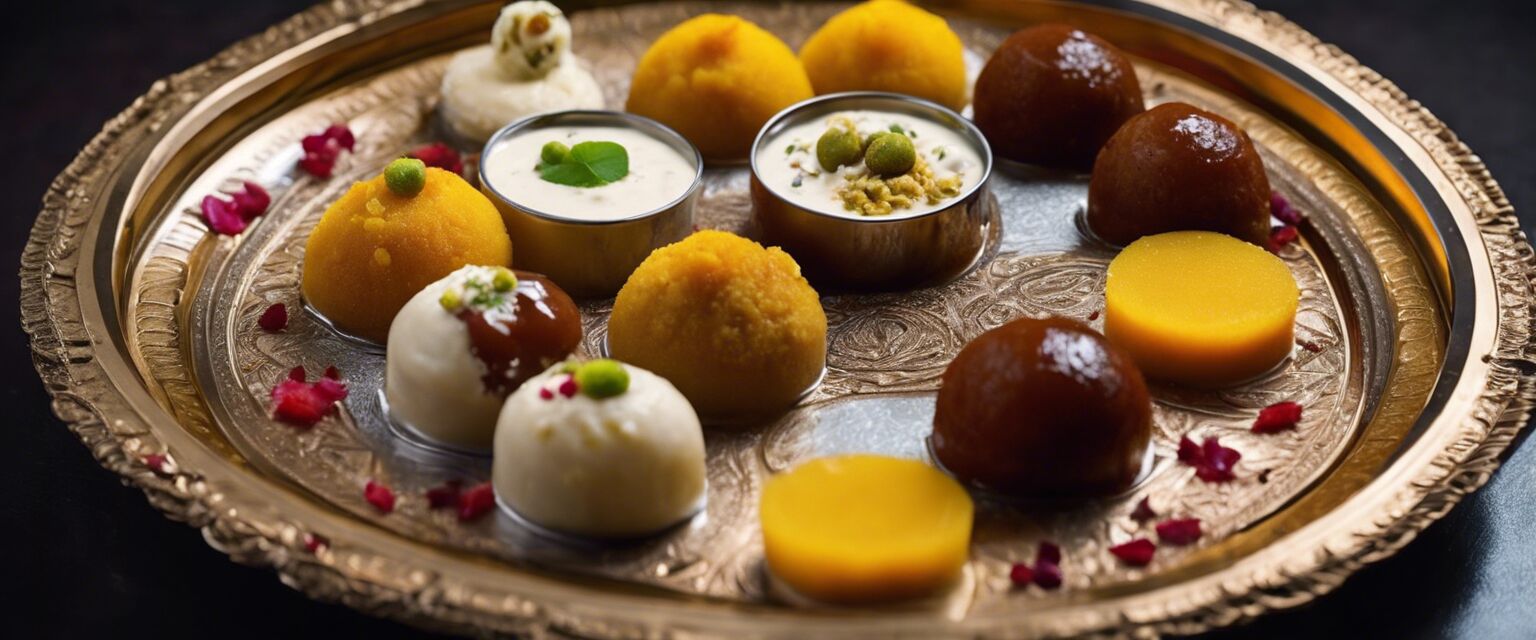
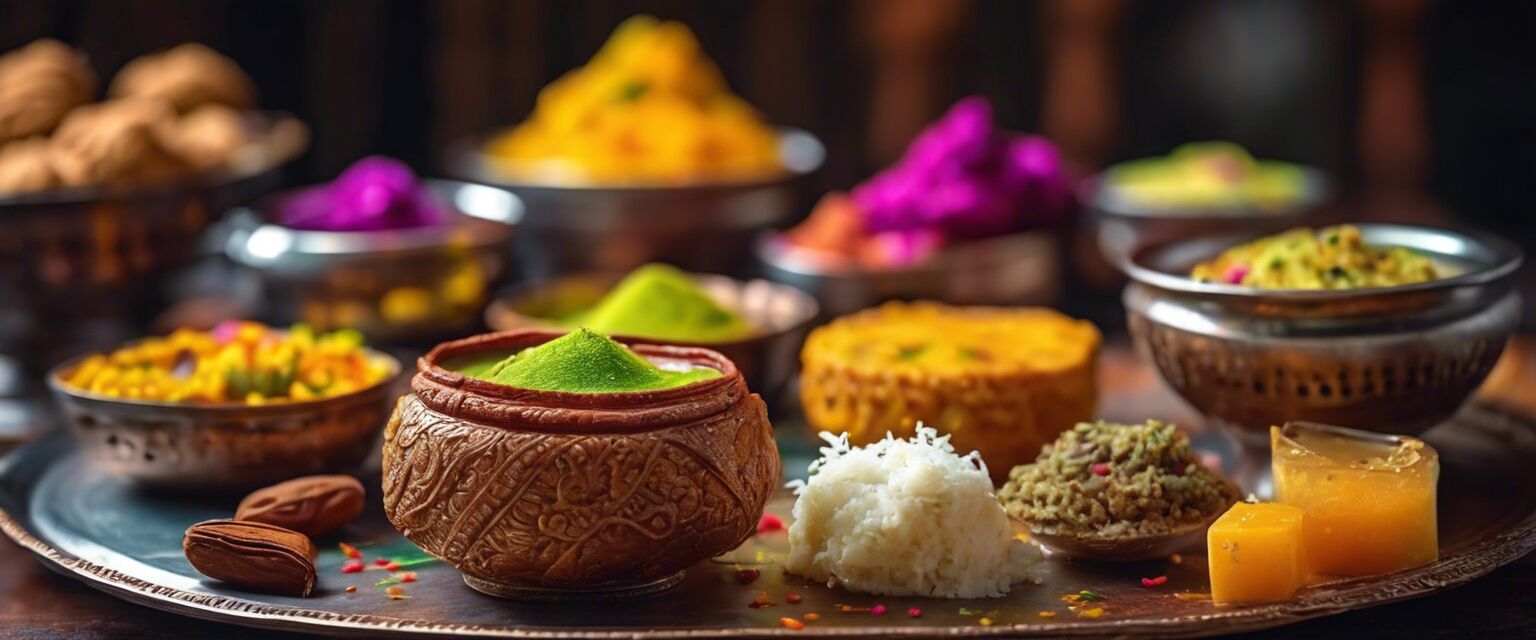
Indulge in the sweet and aromatic world of Indian desserts, where each dish tells a story of tradition and flavor. From the rich, syrupy gulab jamun to the creamy, delicate kheer, there is a delightful variety waiting for you to explore. Let's dive into the most popular Indian desserts, their ingredients, and how they are made.
Popular Indian Desserts
| Dessert | Description | Main Ingredients |
|---|---|---|
| Gulab Jamun | Soft, round balls soaked in sugar syrup, often flavored with cardamom. | Khoya, flour, sugar, cardamom, rose water |
| Kheer | A creamy rice pudding made with milk and sugar, garnished with nuts. | Rice, milk, sugar, cardamom, nuts |
| Barfi | A dense, milk-based sweet that comes in various flavors and textures. | Milk, sugar, nuts, flavorings (coconut, chocolate) |
| Jalebi | Crispy, spiral-shaped sweets soaked in sugar syrup. | Flour, sugar, yogurt, saffron |
| Ladoo | Round sweets made from various flours and sugars, often flavored with nuts. | Chickpea flour, sugar, ghee, nuts |
Ingredients of Indian Desserts
Indian desserts are often rich in flavor and texture, incorporating a variety of ingredients that contribute to their unique tastes. Below are some common ingredients used in many Indian sweets:
- Dairy Products: Milk, khoya, paneer, and yogurt are foundational in many desserts.
- Nuts: Almonds, cashews, and pistachios add crunch and richness.
- Spices: Cardamom, saffron, and rose water are essential for flavoring.
- Sugars and Syrups: Sugar, jaggery, and sugar syrup are used for sweetness.
How to Make Popular Indian Desserts
Gulab Jamun Recipe
Gulab jamun is a classic dessert that is loved across India. Hereâs a simple recipe to make it at home:
- Prepare the dough using khoya, flour, and a pinch of baking soda.
- Form small balls and deep fry them until golden brown.
- Soak the fried balls in warm sugar syrup flavored with cardamom and rose water.
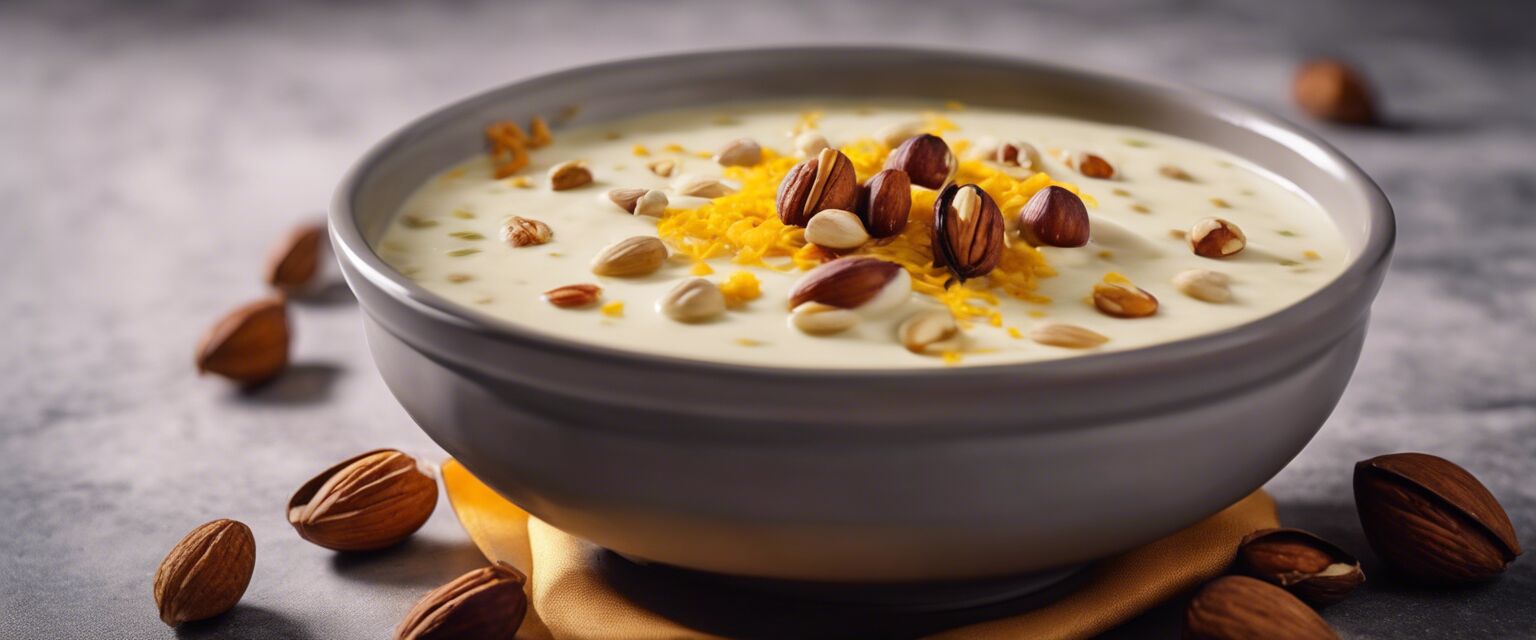
Kheer Recipe
Kheer is a popular rice pudding that is creamy and delicious. Follow these steps:
- Boil rice in milk until it becomes soft and creamy.
- Add sugar and cook until dissolved.
- Garnish with cardamom and chopped nuts before serving.
Serving Indian Desserts
Indian desserts are often served during special occasions and festivals. They are typically enjoyed after a meal or during celebrations like Diwali, Holi, and weddings. Here are a few serving suggestions:
- Serve warm or at room temperature, depending on the dessert.
- Garnish with nuts or dried fruits for an appealing presentation.
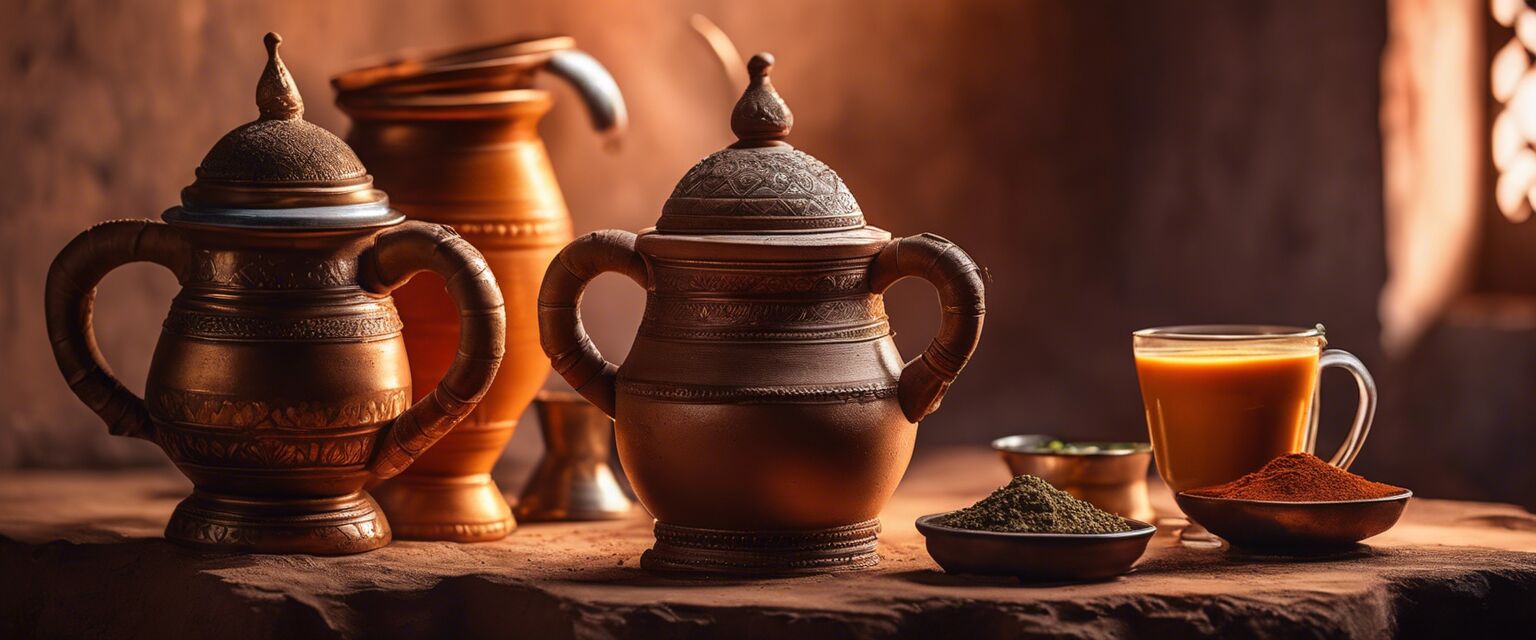
- Pair with a cup of masala chai for a delightful experience.
Understanding the Cultural Significance
Indian desserts are not just about taste; they hold cultural significance and are intertwined with traditions. Many families have their own versions of these desserts, passed down through generations. They symbolize joy and celebration, making them a must-have during festive occasions.
Where to Find Ingredients
To make these delightful desserts, you can find the necessary ingredients at local Indian grocery stores or online. Here are some categories you might explore:
- Breads and Flours
- Cooking Oils and Ghee
- Herbs and Fresh Ingredients
- Indian Sweets and Desserts
- Pickles and Condiments
Pros
- Diverse flavors and textures to satisfy any sweet tooth.
- Rich cultural heritage and family traditions associated with desserts.
- Many recipes can be easily made at home with simple ingredients.
Cons
- Some desserts can be high in sugar and calories.
- Time-consuming preparation for certain traditional sweets.
- Availability of specific ingredients may vary by location.
Conclusion
Indian desserts are a delightful way to experience the rich culinary traditions of India. With their unique flavors, textures, and cultural significance, they are a treat for the senses. Whether you are making them at home or enjoying them at a celebration, these sweets are a testament to the vibrant world of Indian cuisine.