Northern Indian Recipes
Key Takeaways
- Northern Indian cuisine is known for its rich flavors, especially in curries and breads.
- Popular ingredients include paneer, ghee, and various spices.
- Recipes range from everyday meals to special occasion dishes.
- Explore a variety of dishes such as Chana Masala, Butter Chicken, and more.
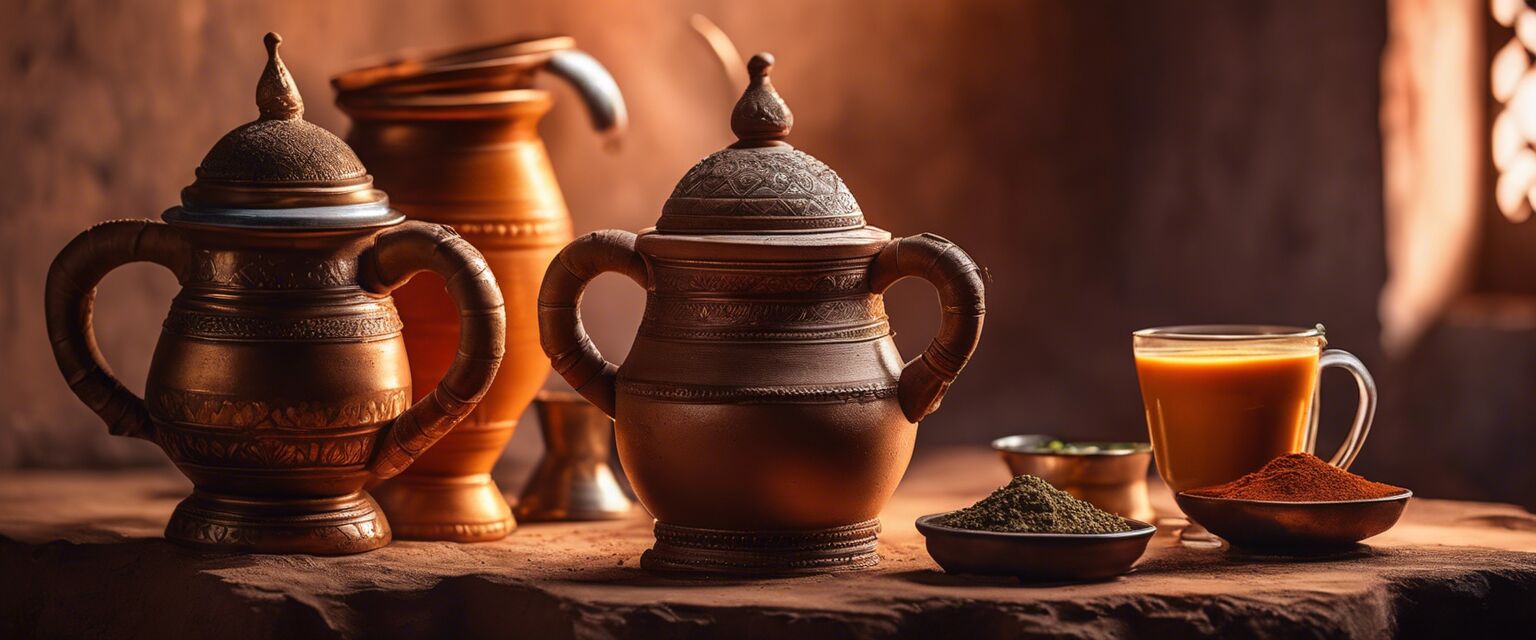
- Traditional cooking methods often involve the use of clay pots and tandoors.
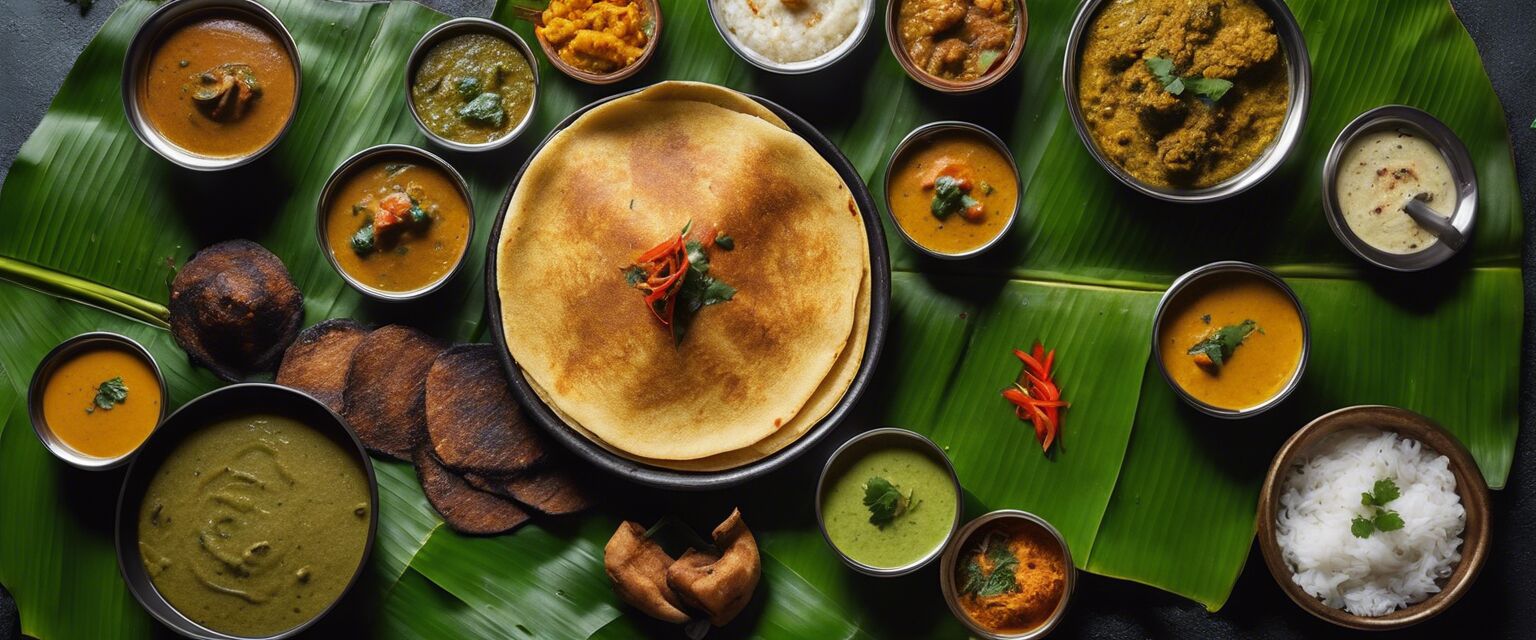
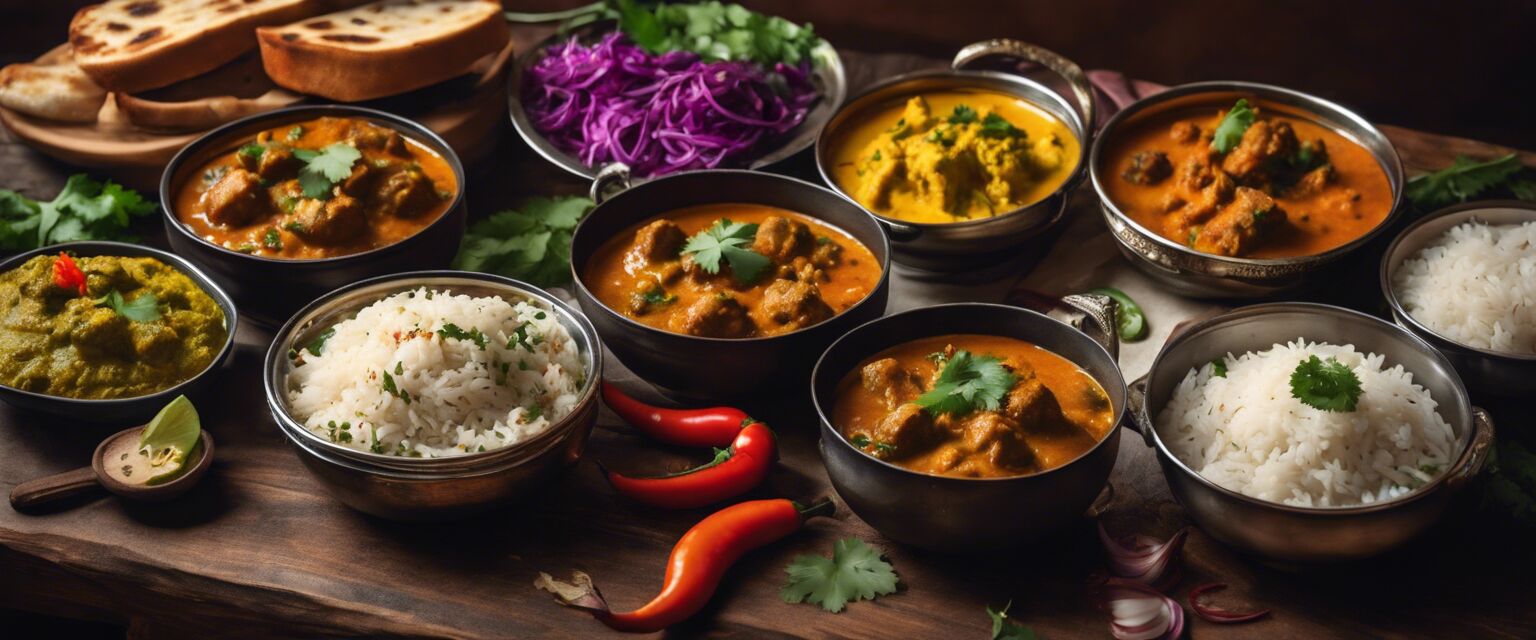
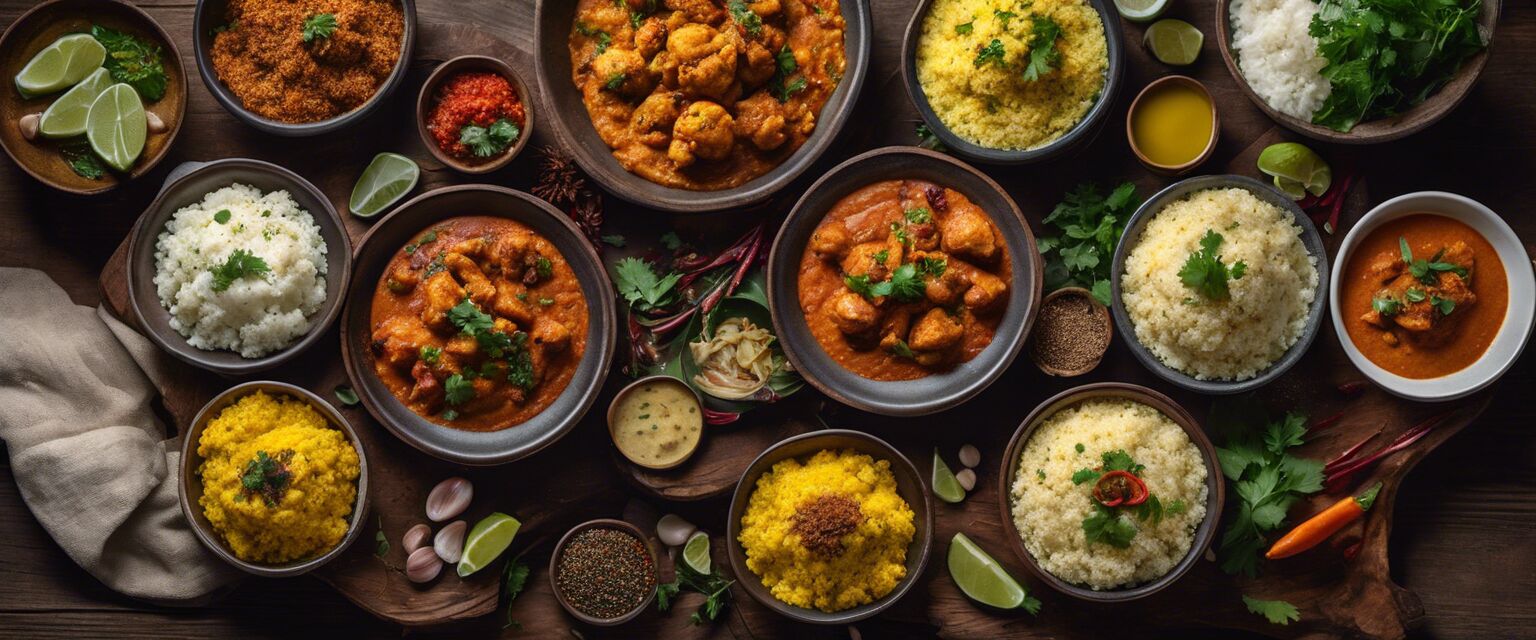
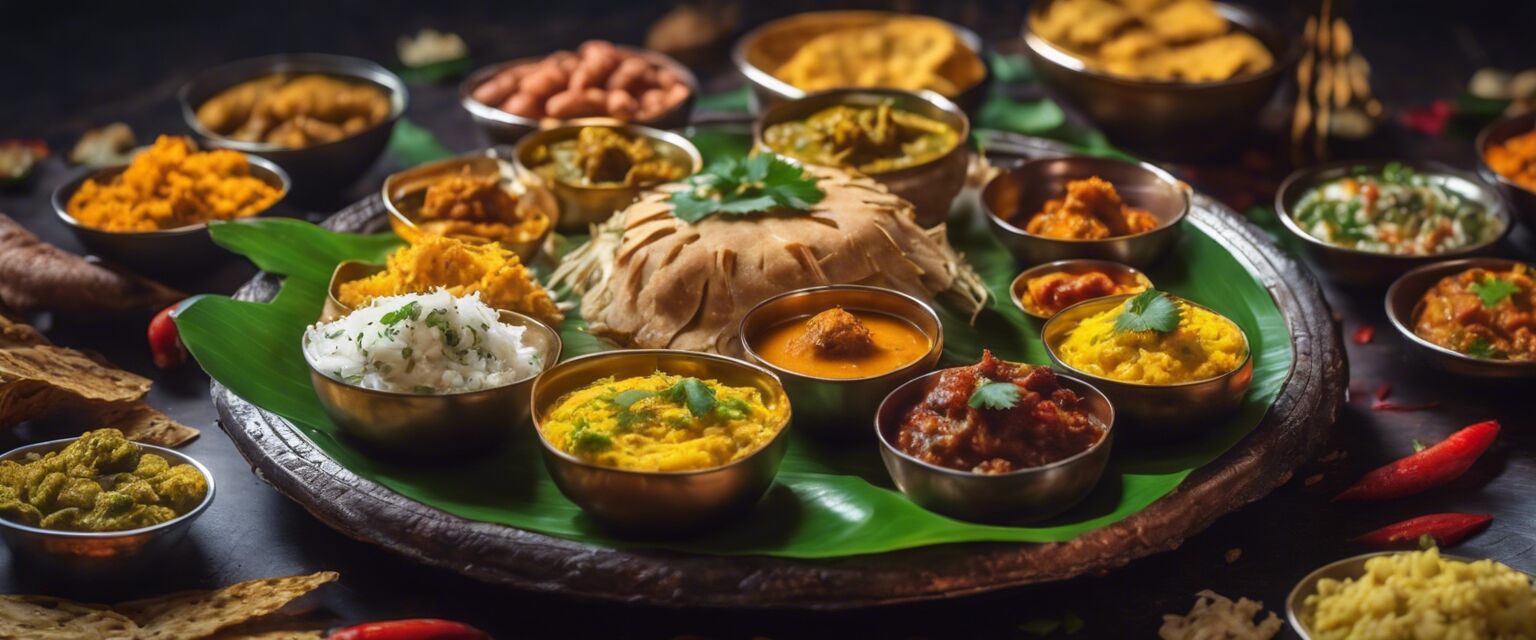
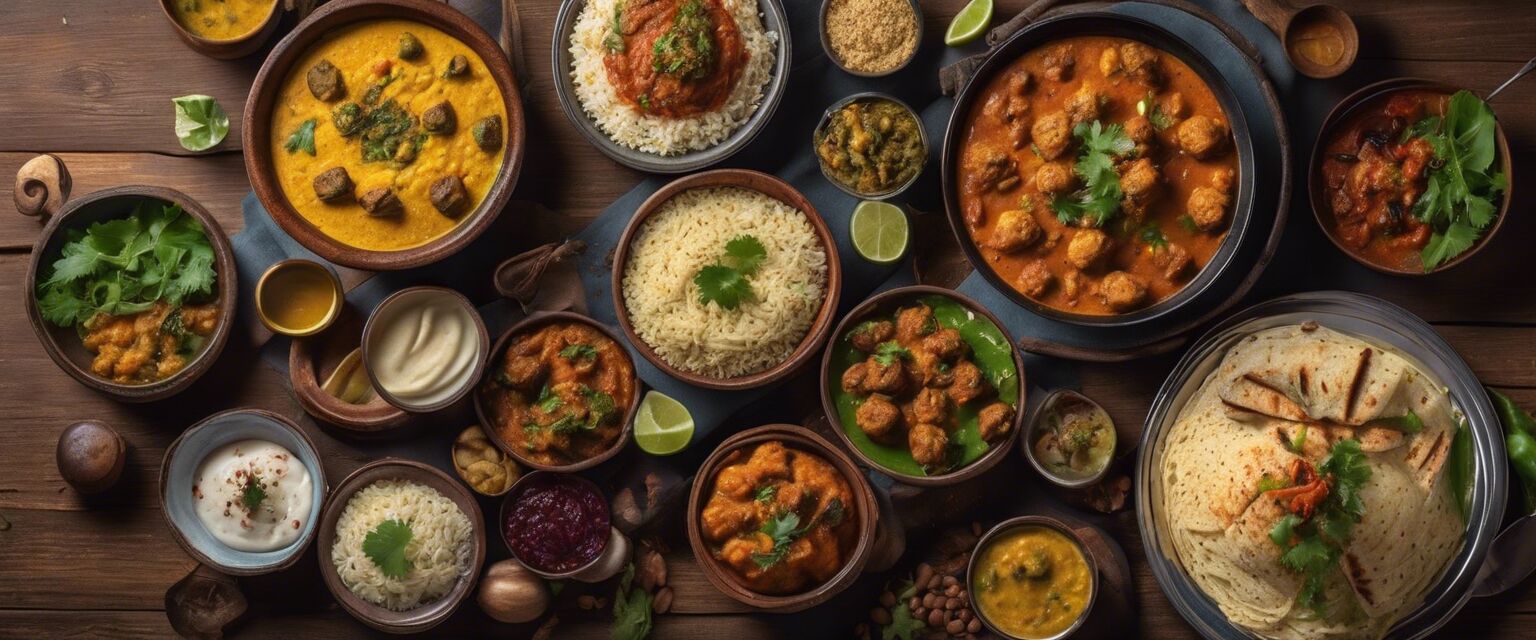
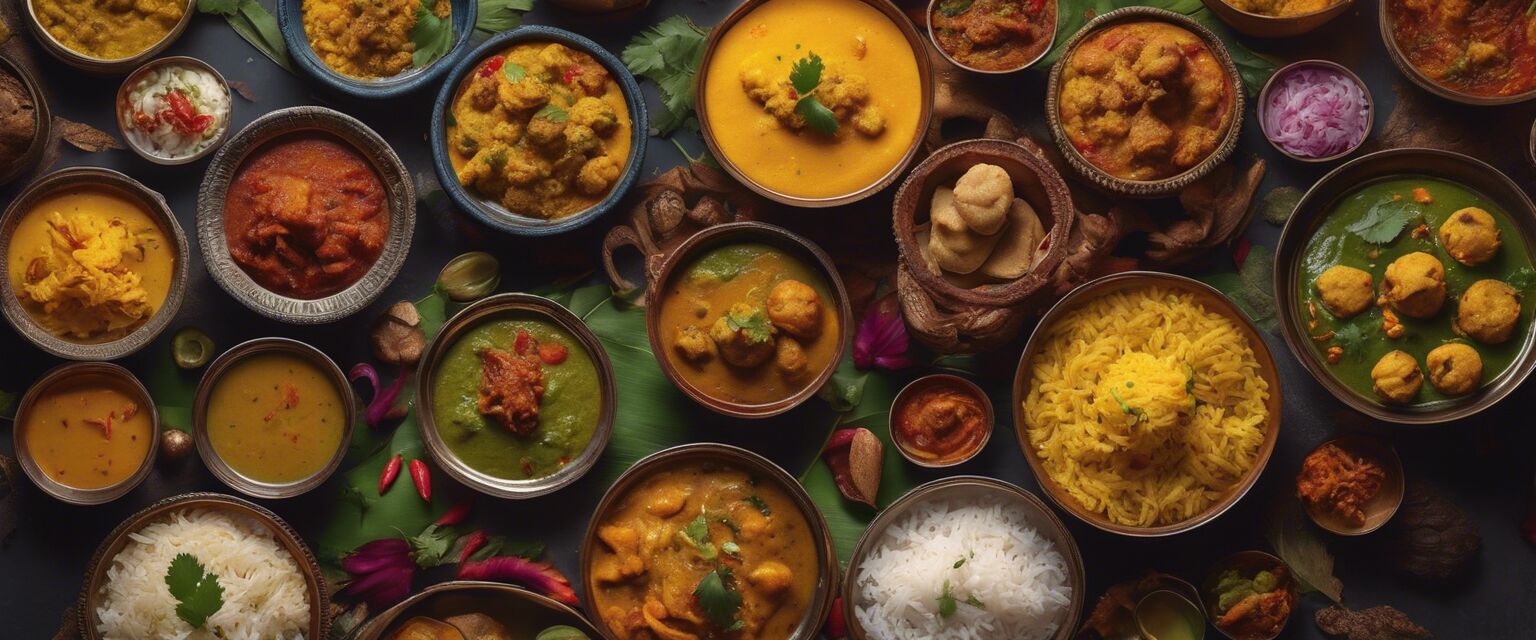
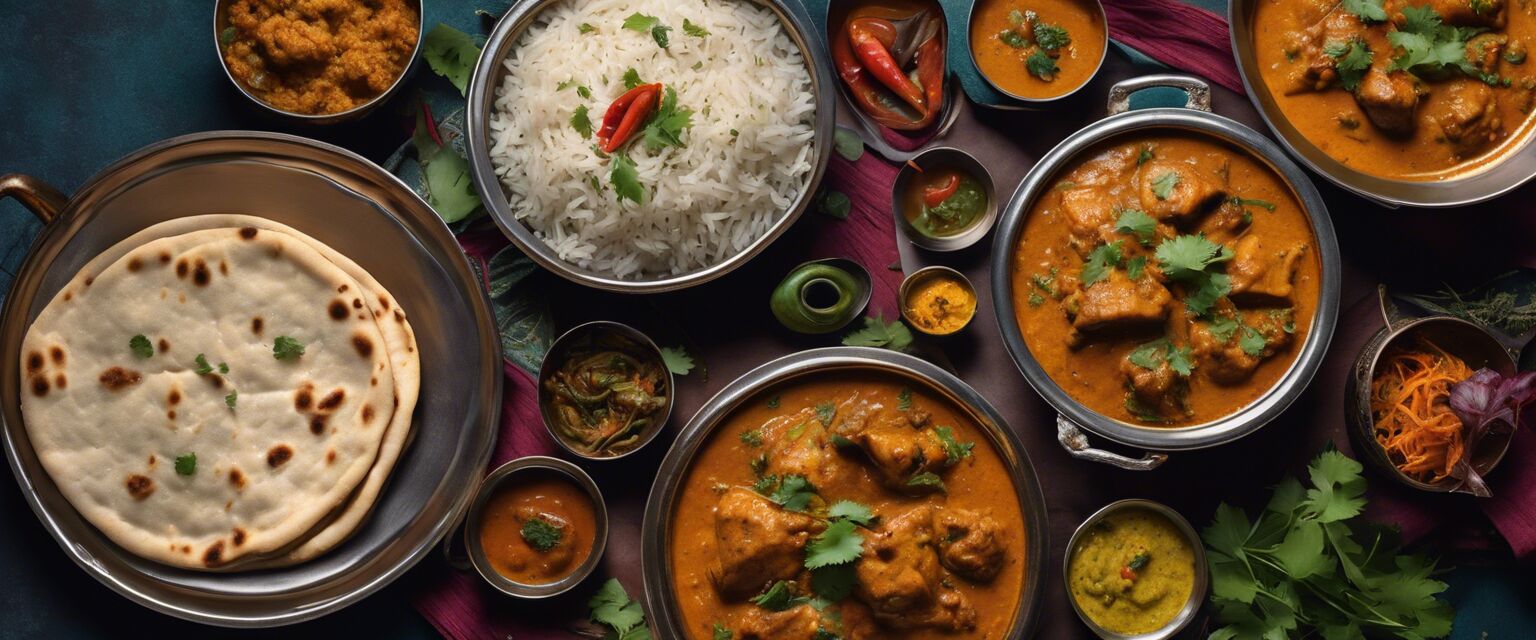
Northern Indian cuisine is a delightful journey into a world of rich flavors and textures. From creamy curries to fluffy naan, the variety is endless. In this article, we will explore some of the most beloved recipes from this region, along with tips on how to prepare them.
Popular Northern Indian Dishes
| Dish | Description | Main Ingredients |
|---|---|---|
| Chana Masala | A spicy chickpea curry that is a staple in many households. | Chickpeas, tomatoes, onions, spices |
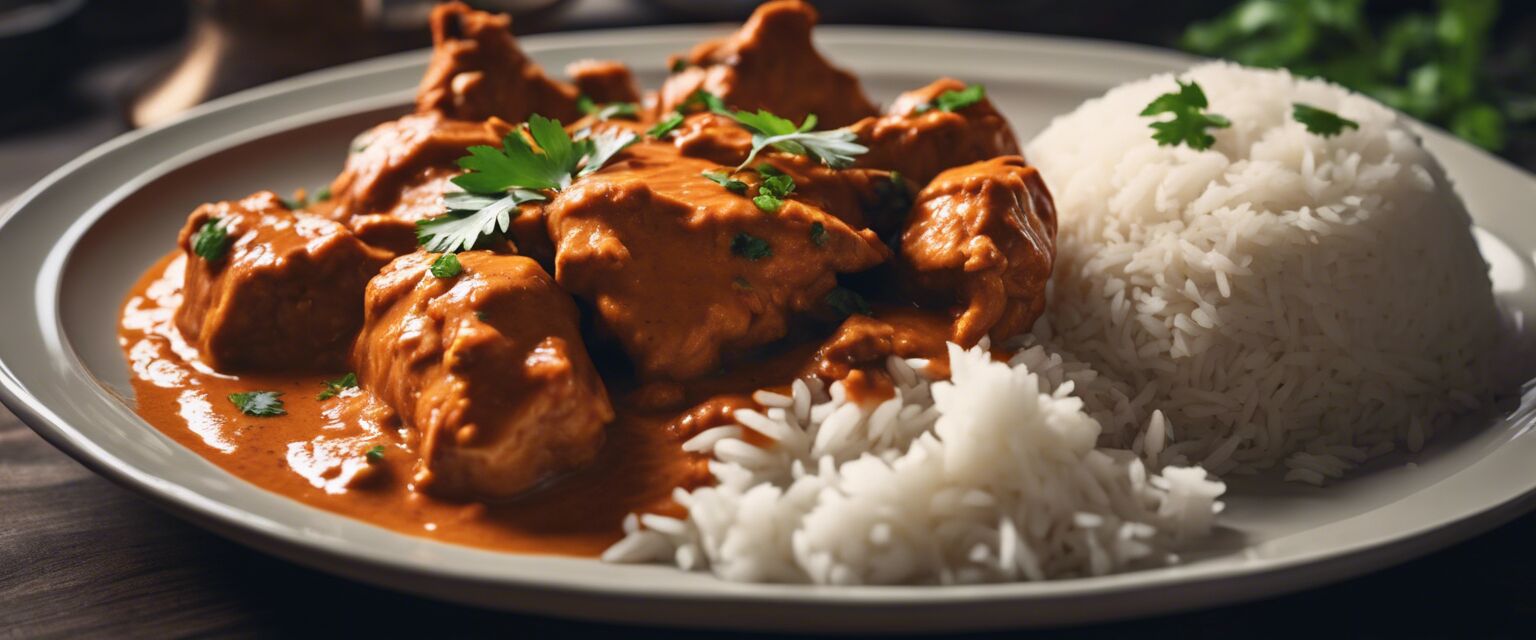
| Butter Chicken | A creamy tomato-based curry that is loved by many. | Chicken, butter, cream, tomatoes, spices |
| Palak Paneer | A vegetarian dish made with spinach and paneer. | Spinach, paneer, spices |
| Naan | Soft, leavened flatbread that pairs well with curries. | Flour, yeast, yogurt, water |
| Biryani | A fragrant rice dish cooked with spices and meat or vegetables. | Rice, meat/vegetables, spices, saffron |
Ingredients Essential for Northern Indian Cooking
When embarking on your Northern Indian cooking adventure, here are some essential ingredients to keep on hand:
- Spice Blends: Garam masala, cumin, coriander, turmeric
- Fresh Ingredients: Ginger, garlic, green chilies
- Oils and Ghee: Mustard oil, ghee for authentic flavor
- Dairy: Paneer, yogurt, cream for rich textures
- Legumes: Lentils, chickpeas for protein-rich dishes
How to Prepare Chana Masala
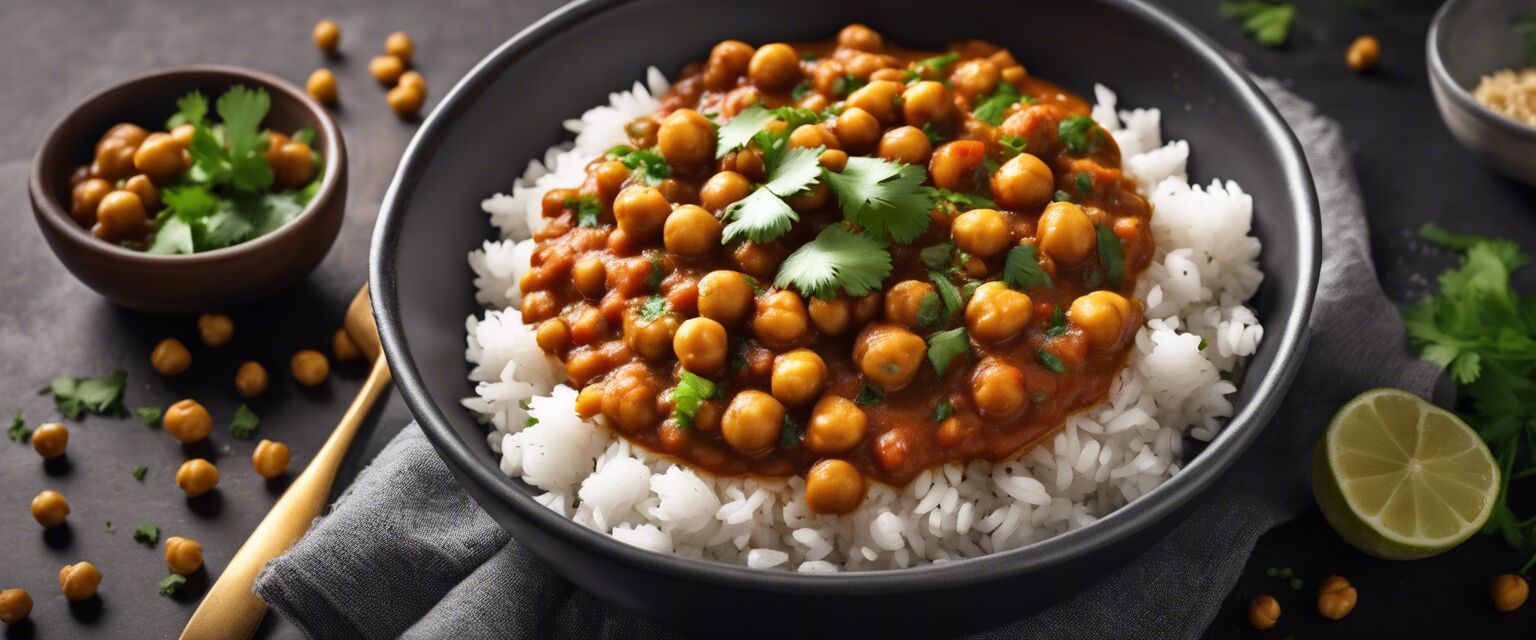
Chana Masala is one of the most iconic Northern Indian dishes. Here's how to make it:
- Soak 1 cup of chickpeas overnight and boil until tender.
- In a pan, heat 2 tablespoons of oil and sauté 1 chopped onion until golden.
- Add 1 teaspoon of ginger-garlic paste and sauté for another minute.
- Mix in 2 chopped tomatoes and cook until soft.
- Add spices: 1 teaspoon cumin, 1 teaspoon coriander, 1 teaspoon garam masala, and salt to taste.
- Add boiled chickpeas and simmer for 15 minutes.
- Garnish with fresh cilantro and serve with rice or naan.
Traditional Cooking Techniques
The way food is prepared can greatly affect its flavor. Here are some traditional techniques used in Northern India:
- Tandoor Cooking: Clay ovens used for baking bread and cooking meats.
- Slow Cooking: Allowing flavors to meld together over low heat.
- Tempering Spices: Heating spices in oil to release their full flavor.
Tips for Beginners
Beginner's Section
- Start with simple recipes like Chana Masala or Aloo Gobi.
- Invest in quality spices for better flavor.
- Practice your chopping skills for even cooking.
- Donât be afraid to adjust spices to your personal taste.
- Cook with friends or family for a fun experience.
Pairing Indian Dishes with Beverages
Complement your Northern Indian meals with these traditional beverages:
| Beverage | Description |
|---|---|
| Lassi | A yogurt-based drink that can be sweet or salty. |
| Chai | Indian spiced tea, usually served with milk and sugar. |
| Masala Chai | Chai brewed with spices like cardamom and cinnamon. |
| Thandai | A chilled milk drink flavored with nuts and spices. |
Explore More Recipes
If youâre interested in discovering more about Northern Indian cuisine, check out our other pages:
- Breads and Flours
- Spice Blends and Mixes
- Cooking Oils and Ghee
- Herbs and Fresh Ingredients
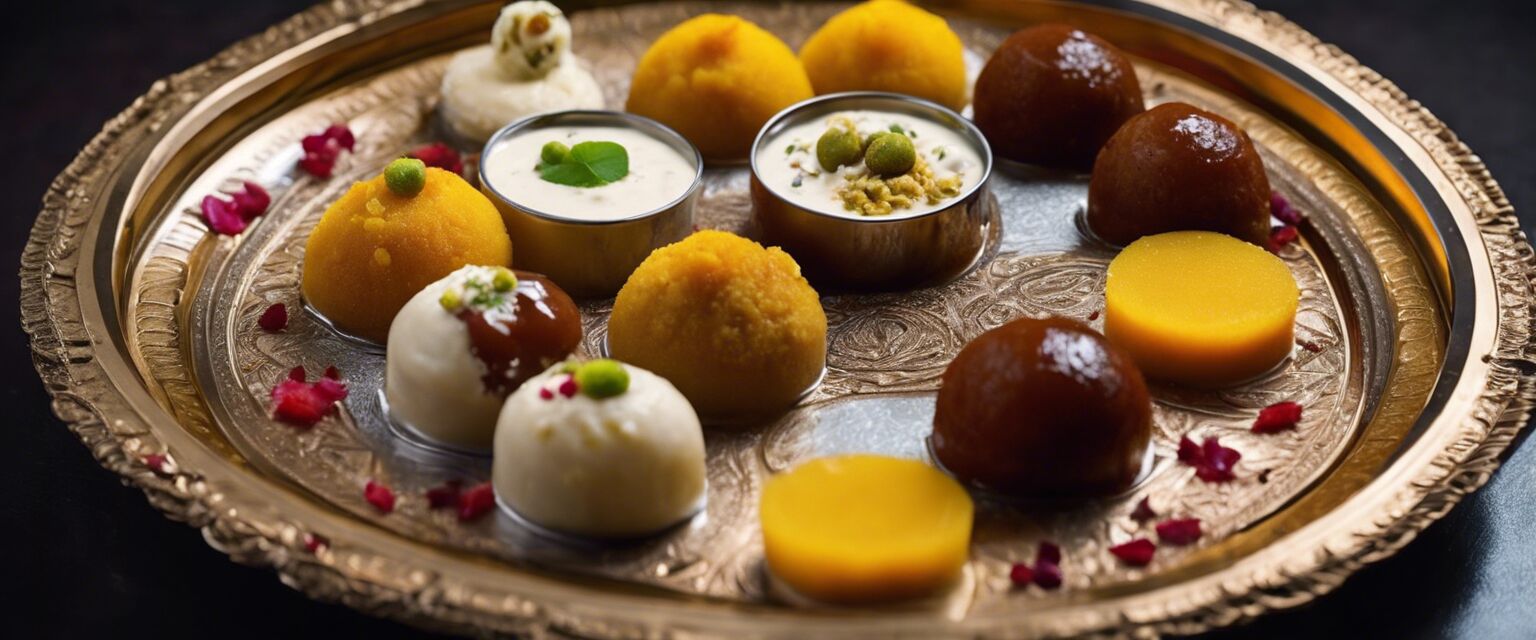
- Indian Sweets and Desserts
Pros
- Rich and diverse flavors
- Suitable for vegetarians and non-vegetarians
- Wide variety of dishes to explore
- Often easy to prepare
Cons
- Can be time-consuming to prepare
- Requires specific spices and ingredients
- Some dishes may be too spicy for sensitive palates
Conclusion
Exploring Northern Indian cuisine offers a delightful experience filled with rich flavors and cultural significance. Whether you are a seasoned cook or a beginner, the recipes are approachable and rewarding. Embrace the culinary journey and enjoy the delicious results!